
blog
How Legend Builds Website Strategy Before Design to Improve Performance
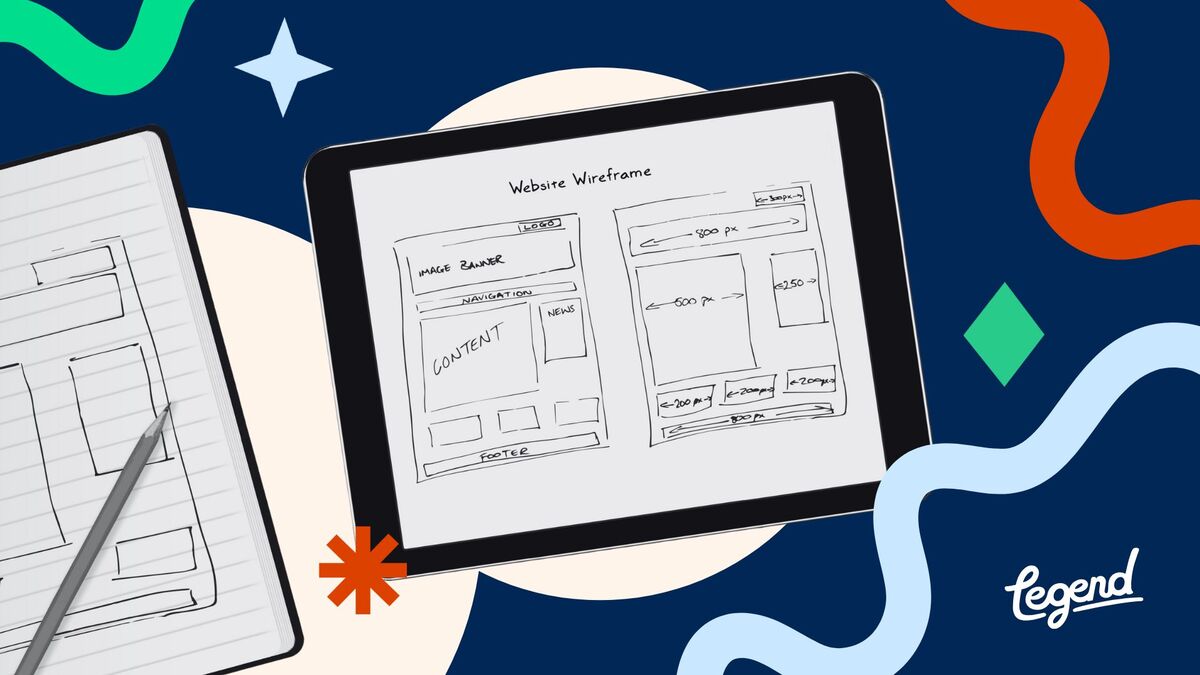
Your website redesign failed because you started with design instead of strategy. Many teams rush into visuals without aligning goals, audience needs, or the paths users will take to convert. The result is a site that looks polished but performs the same way the old one did.
Design decisions need direction. Without a clear plan for what each page should accomplish, your design team is guessing. Those guesses lead to misaligned layouts, unclear messaging, and structures that look good in mockups but confuse visitors when the site goes live.
This article explains why strategy shapes performance, outlines how to build it, and shows what strategic planning produces.

Why Strategy Shapes Every Part of a High-Performing Website
Strategy determines how your website functions. Design makes it visible. When strategy is missing, even the best visuals cannot guide users toward the actions you want them to take.
Design Needs a Clear Goal to Support
Visual choices only work when they connect to measurable outcomes. A homepage layout cannot succeed if no one has decided whether the priority is generating leads, booking calls, or driving product purchases. Strategy defines those goals first, so design can support them with intentional placement, hierarchy, and calls to action.
Content and Messaging Define Page Structure
Page layouts come from the questions users ask and the actions they need to take. Strategy identifies those questions before design begins. When you know what a visitor needs to understand on each page, you can structure sections, plan content blocks, and determine how much proof is required to move someone forward.
SEO Research Determines What the Site Must Cover
Keyword patterns influence navigation, layout, supporting pages, and internal linking. SEO research reveals what your audience searches for and how they phrase their needs. That research shapes which services get dedicated pages, how headers are written, and where supporting content belongs. Design follows the structure that SEO research creates.
User Paths Shape the Wireframe Long Before Visuals
Strategy identifies the path each user type takes to reach a decision. A first-time visitor needs different information than someone returning after a consultation. Mapping those paths creates wireframes that guide users logically from awareness to action. Design adds the visual layer once the flow is defined.

How Legend Builds a Strategic Foundation Before Design Starts
Legend approaches website projects by building clarity first. The steps below create alignment between your goals, your audience, and the structure your site needs to perform.
Step 1: Align on Goals and Priority Outcomes
We start by defining what success looks like. That includes identifying which conversions matter most, which services take priority, and which audience segments the site needs to serve. We also establish launch goals and first-phase KPIs, so every decision ties back to measurable progress.
Step 2: Map Your Audience and Their Real Questions
Next, we identify what each visitor needs to understand or decide at different stages. We outline the answers, proof points, and content requirements for each page. This step ensures that messaging addresses real concerns rather than assumptions about what might work.
Step 3: Build the Site Architecture and Page Flow
We develop a hierarchy that guides users from awareness to action. Each page gets assigned a clear purpose within the structure. Navigation reflects how people think about your services, and internal links reinforce the paths that lead to conversions.
Step 4: Plan Messaging and Content Structure
We draft key statements that unify tone and clarity across the site. This messaging framework helps you understand which content belongs on primary pages and which details support secondary goals. It also ensures consistency in how your value is communicated at every touchpoint.
Step 5: Conduct SEO Research to Support Long-Term Growth
We identify demand patterns across your services and build an SEO-informed roadmap that shapes titles, headers, and content pathways. This research determines which topics need dedicated pages, how to structure internal linking, and where supporting blog content can strengthen authority over time.
What You Receive Before Design Begins
Strategy creates deliverables that guide every decision your design team will make. These outputs eliminate guesswork and reduce revision cycles:
- A complete site map aligned with your business goals. Each page is defined by purpose and priority within the user experience.
- Page outlines that provide section-level guidance. These outlines explain what content belongs on each page, how it should be organized, and what questions it needs to answer.
- A messaging framework that shapes tone and clarity across the site. This framework ensures that every page reinforces your value in the language your audience understands.
- SEO recommendations that guide titles, headers, and navigation. These recommendations are grounded in real search behavior and support long-term visibility.
- A blueprint that ties everything together. Your design team follows this blueprint with clarity, which speeds up production and reduces the back-and-forth that comes from unclear direction.
How Strategy Reduces Revisions and Improves Results
A strong strategy phase creates better outcomes before design work even begins. The benefits show up in faster timelines, clearer decisions, and stronger performance after launch:
- Fewer design revisions happen when the structure is already defined. Your team knows what belongs on each page and why, so feedback becomes more focused and actionable.
- Stronger alignment between visuals, messaging, and conversions emerges when design supports a clear plan. Every layout decision reinforces the goals you established at the start.
- Better user experience results from behavior patterns identified during strategy. When you know how users move through your site, you can remove friction and guide them toward decisions with less effort.
- Early SEO traction comes from structured content and metadata planned in advance. Search engines favor sites with clear hierarchy, relevant headers, and logical internal linking. Strategy builds that foundation before launch.
Build a Strategic Website with Legend
High-performing websites start with strategy, not design. When goals, audience needs, content structure, and SEO research align before visuals begin, your site launches with clarity and momentum.
Legend leads the planning phase by mapping user paths, shaping content priorities, and building a strategy that drives design choices and long-term performance. We create the blueprint that turns your website into a reliable tool for growth.
Ready to build a website that performs from day one? Contact Legend today to start with strategy and launch with confidence.